The first foster-forward pet adoption platform.
Fosters are the heroes. Adoption is the outcome. We're rebuilding rescue from the inside, and launching in Texas this summer.
Get on the waitlist. Be the first to use Gotcha when we go live.
No spam. Just updates and your invite when we open early access.

The Problem
The Rescue System Is Broken
No Foster Infrastructure
Legacy adoption platforms don't include fostering at all. It lives entirely on Facebook groups, text threads, and spreadsheets. Foster applications take days to weeks to approve.
Transport Is a Guessing Game
Transport is difficult to schedule, animals lose adopter interest due to timelines of transport. There is no booking system or route visibility. Transport isn't a logistics problem — it's a technical problem stopping dogs from reaching the homes that want them.
Rescues Run on Duct Tape
Paper folders. Email chains. Medical records handed over on paper. Dogs not listed fast enough. Processes are not streamlined and are dated. BARC Houston has a 2–4 week wait to surrender. Austin has paused intake. Strays get tied up or released back.
Legacy Platforms Fail + Shelters Suffer
The largest adoption platform went dark for a full month in December 2025. Rescues reported a ~95% drop in applications. All new platforms look the same with no foster interface or proper AI integrated.
The Numbers
14x
More likely to be adopted in foster than in shelter.
920K
healthy animals are euthanized in US shelters every year.
88%
of shelters run foster programs. Almost none have software to run them.
9,514
US rescues operate through foster homes.
80%
Adoption rate at foster-based rescues vs. 50% in brick-and-mortar shelters.
952K
Additional placements possible if every rescue added just 17 more fosters per year.

OUR FOUNDER
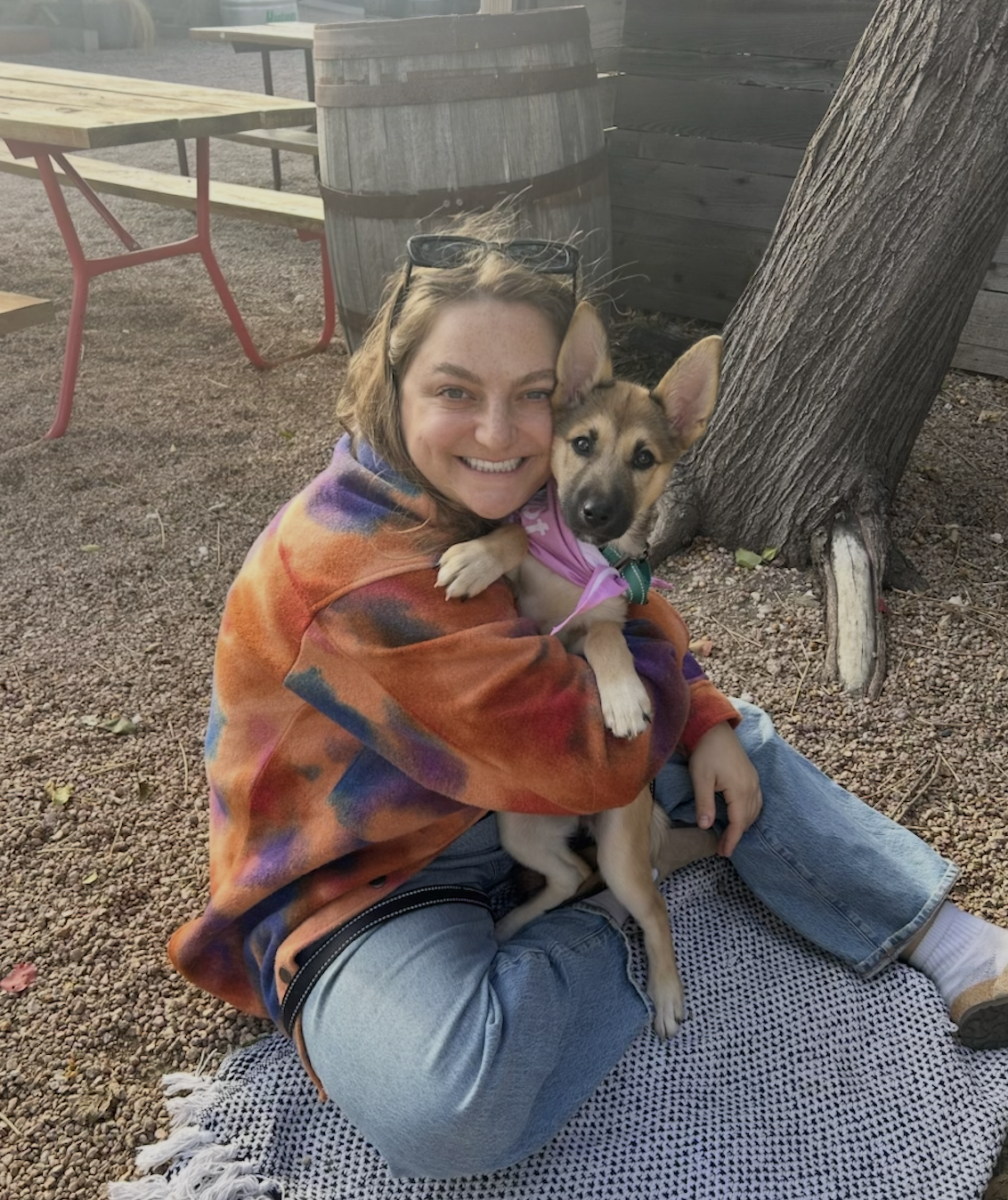
Ashley Koll, Founder of Gotcha + her former foster Strudel
Built by someone who’s lived it, not just observed it.
A note from our founder:
I’ve always known I wanted to work with animals.
Rescue has been a part of my life for as long as I can remember. I started volunteering at shelters in middle school, literally forcing my parents to take me every week, because I just wanted to help.
But it wasn’t until I finally started fostering that everything really clicked. It opened my eyes in a way nothing else had.
As a foster, I found myself constantly frustrated. Dogs weren’t getting listed fast enough. The platforms we relied on would crash. Weeks would go by before a dog I was caring for was even visible to potential adopters. And in rescue, time is everything, because every delay means another dog that can’t be pulled, another life at risk.
I started to see the bigger problem.
The entire adoption journey is fragmented. Shelters, fosters, adopters, donors, they’re all trying to work together, but there’s no seamless system connecting them.
What if shelters could easily request fosters instead of pleading on social media?
What if funding was built into the system instead of relying on Venmo comments?
What if every step, from intake to adoption, actually worked together?
More pets would be saved. It’s that simple.
I’ve lived every side of this.
I’ve worked in veterinary medicine.
I’ve worked in software.
I’ve built in the pet space through Lemon Collaborative.
I co-founded a non profit to bring free veterinary care to those who need it most.
I’ve volunteered in rescue.
I’m a foster mom.
I’m the one posting, begging, trying to get animals seen in time.
And I have three rescue dogs of my own.
Gotcha started because I couldn’t ignore the problem anymore.
I’ve seen it. I’ve lived it. And I knew I was the right person to fix it.
This isn’t just a business, it’s the moment everything I’ve done has been building toward.
We’re going to fix what’s broken.
And we’re going to save more lives because of it.
Where we are at.
We are currently working on our MVP and branding. Our next step is getting testers to help us smooth out any bumps before the product is released to the public.
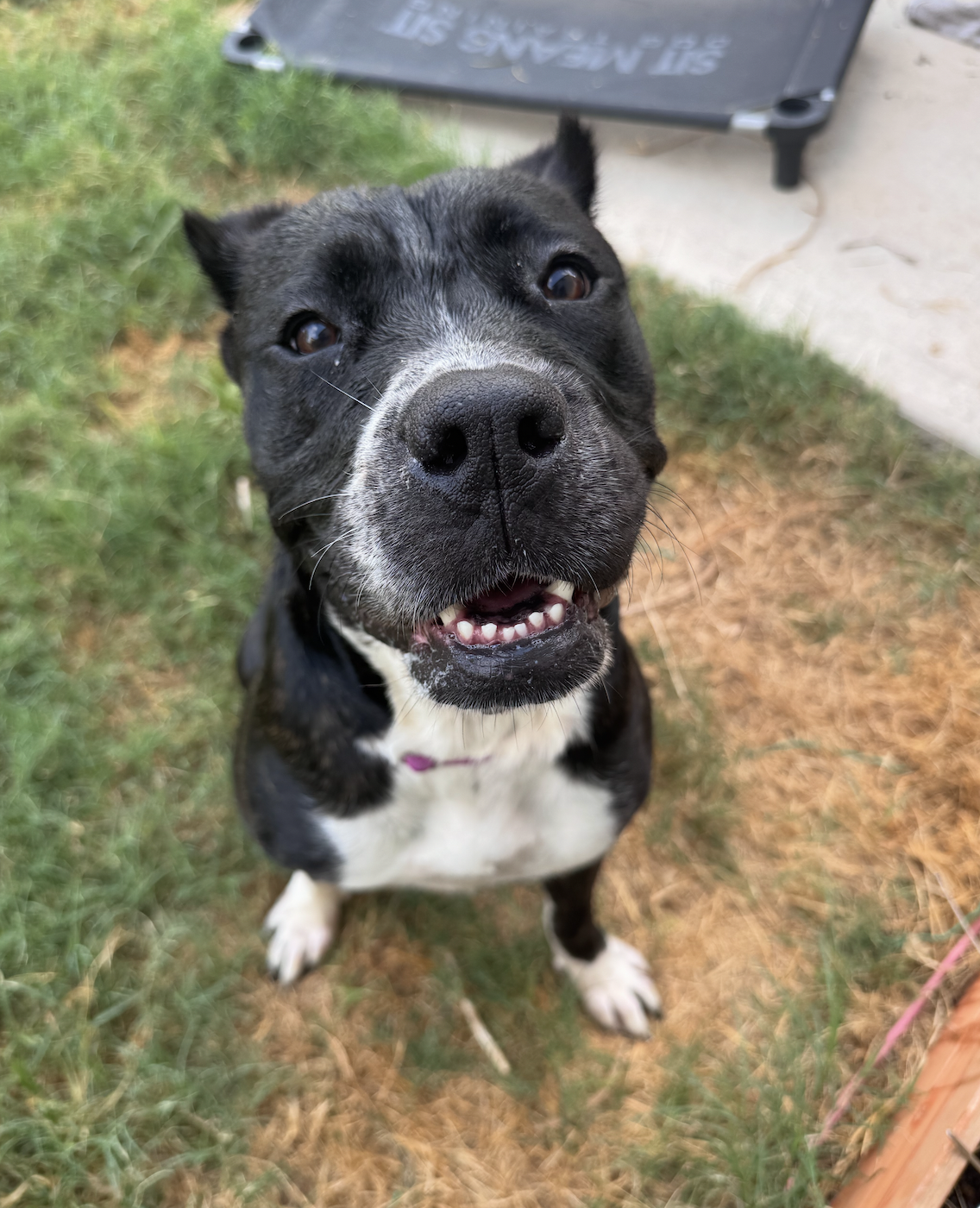
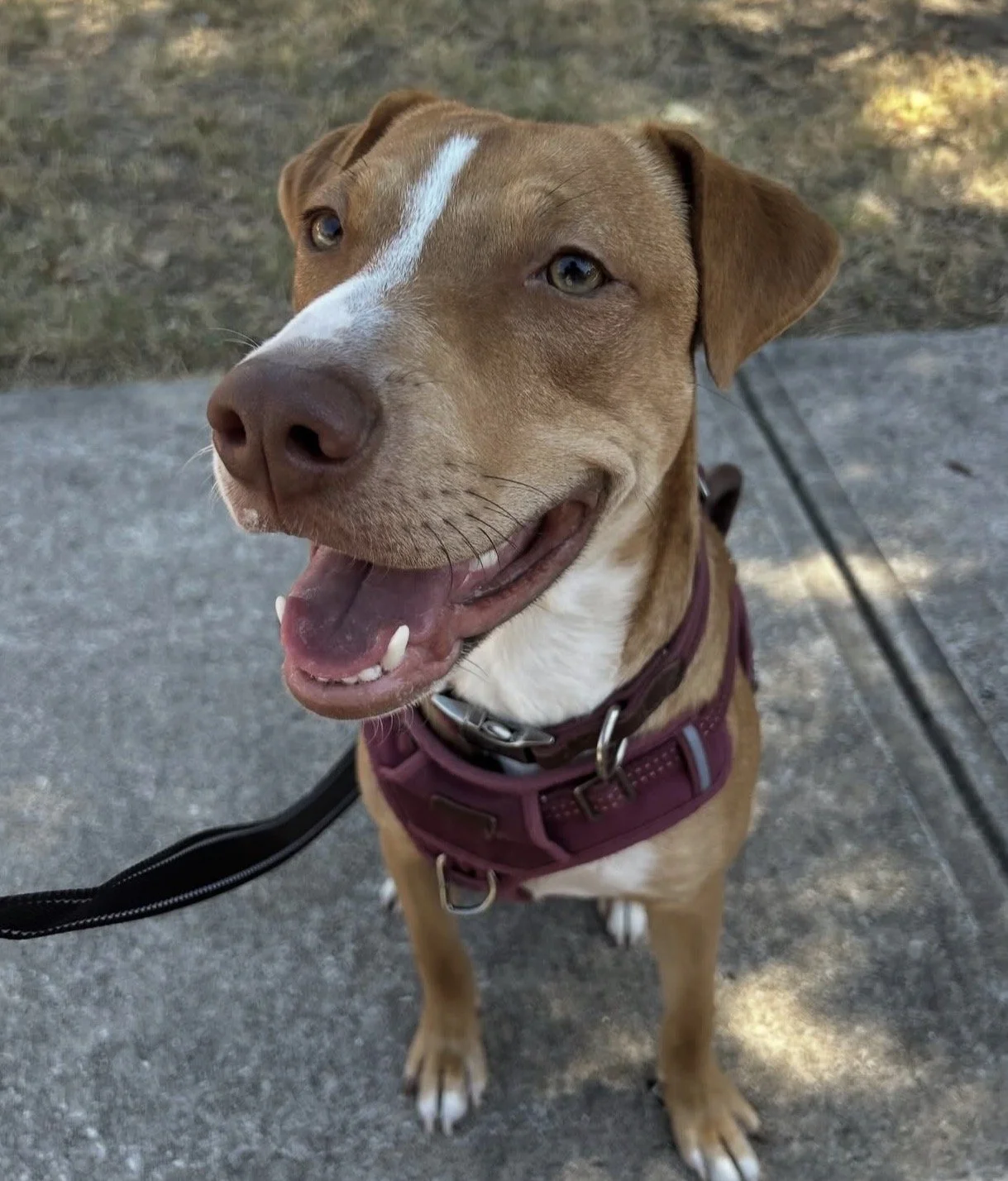
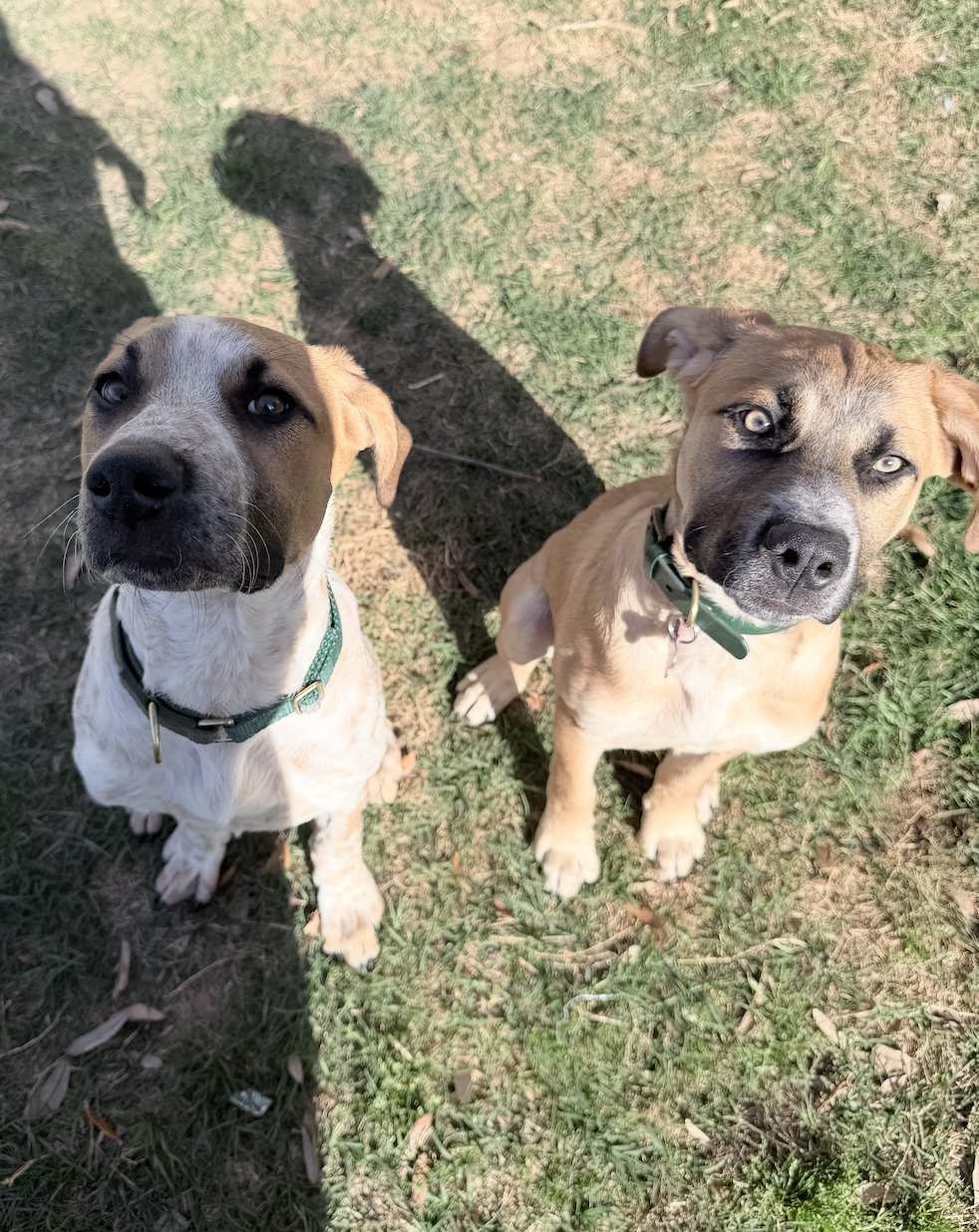
Some of Ashley’s former fosters.